Brazil
Serra da Barriga
Twenty thousand people who escaped slavery built a free nation on this mountain fortress.
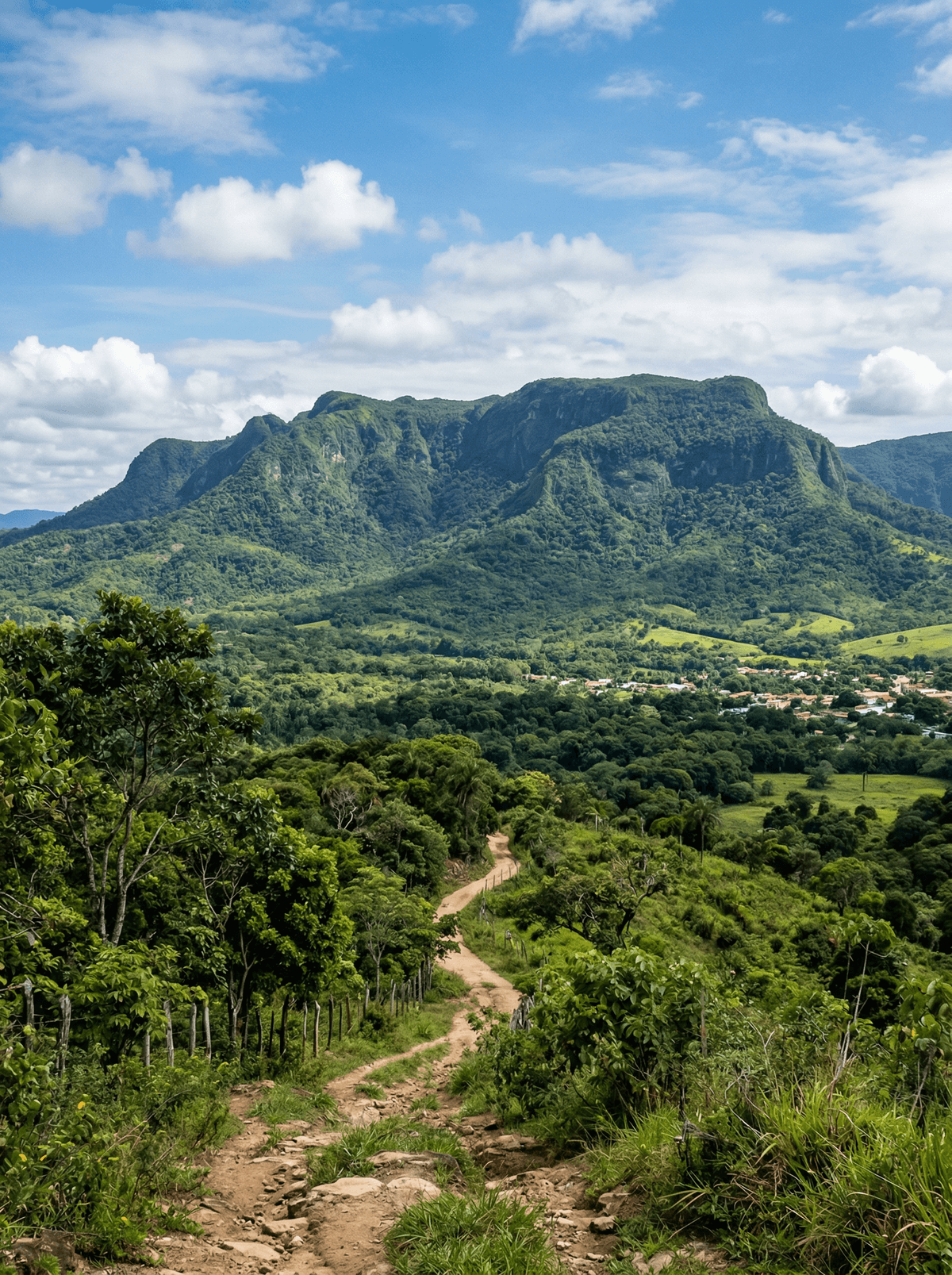
The red dirt road climbs through Atlantic Forest until the plateau opens and the weight of what happened here settles over you. Wind moves through the grass where Palmares once stood — the largest free settlement of people who escaped slavery in the colonial Americas, home to as many as thirty thousand people. Serra da Barriga in Alagoas is not a ruin you photograph. It is a place you stand in and feel.
Serra da Barriga is the mountaintop stronghold where the Quilombo dos Palmares resisted Portuguese colonial forces for nearly a century, from the early 1600s until 1694. At its peak, Palmares was a network of settlements sheltering escaped African slaves, indigenous people, and free Brazilians — a functioning society with agriculture, trade, and governance. Its last leader, Zumbi dos Palmares, held out for twenty-three years before his death on 20 November 1695, a date now observed as Brazil's National Black Consciousness Day. The memorial park on the serra, inaugurated in 2007, marks the approximate sites of the main settlement and Zumbi's final stronghold. The mountain's steep slopes and dense forest cover made it a natural fortress — and walking the terrain today makes the scale of that resistance tangible in a way no textbook can.
Solo
This is a pilgrimage destination — the kind of place that demands solitary reflection. Walking the serra alone, reading the markers, and sitting with the history creates a depth of experience that group conversation can dilute.
Friends
The shared weight of standing where Palmares stood sparks the kind of conversation that lasts long after the visit. Coming with friends who care about history and justice turns the trip into something collectively held and retold.
- At its peak, Palmares housed an estimated twenty to thirty thousand Africans who escaped slavery, indigenous people, and free Brazilians — the largest free settlement in the colonial Americas.
- Zumbi dos Palmares resisted the Portuguese for twenty-three years — his death on November 20, 1695 is now Brazil's National Black Consciousness Day.
- The memorial park on the Serra da Barriga, inaugurated in 2007, includes the approximate sites of the main settlement and Zumbi's final stronghold.
- The serra's natural defensive terrain — steep slopes and Atlantic Forest cover — made Palmares nearly impossible to breach for nearly a century.
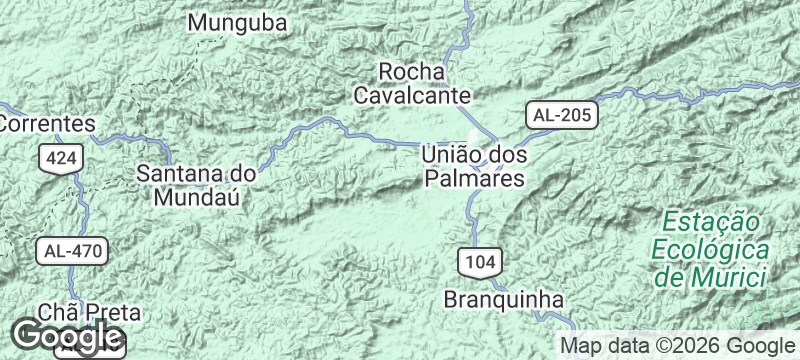
Sururu ao leite de coco — tiny lagoon mussels simmered in coconut milk and palm oil at roadside stalls in União dos Palmares.
Tapioca stuffed with queijo coalho and carne de sol from the Saturday morning market in the town centre.
Bolo de macaxeira and café coado dripped through a cloth filter in the farmsteads below the serra.
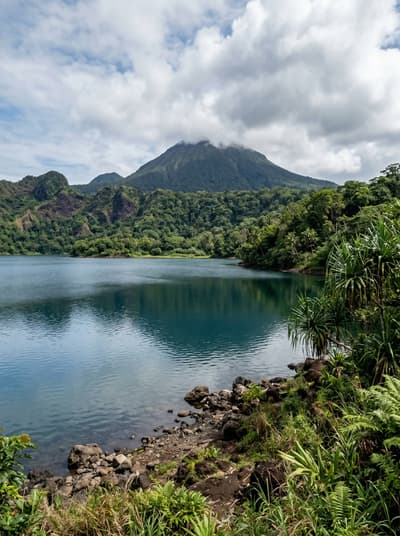
Gaua
Vanuatu
A volcanic lake drains into the ocean via a waterfall that plunges through untouched jungle.
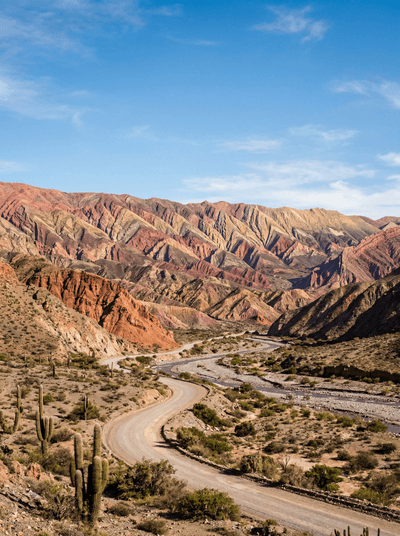
Quebrada de Humahuaca
Argentina
A canyon of fourteen-colour hills where Inca trails thread through villages older than the conquest.
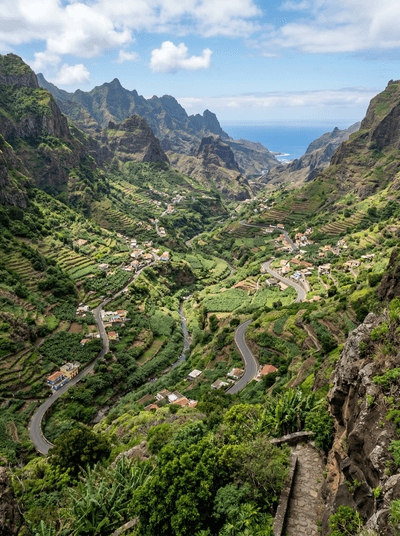
Vale do Paúl
Cape Verde
Sugarcane terraces spill down a volcanic crater into the greenest valley in the archipelago.
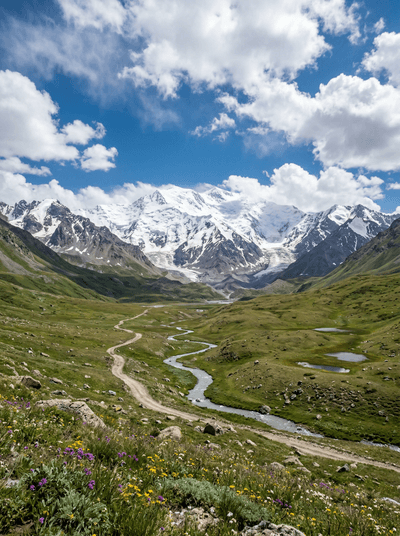
Achik-Tash
Kyrgyzstan
Yurt camps at 3,600 metres beneath a 7,134-metre peak, alpinists and trekkers sharing vodka at sunset.
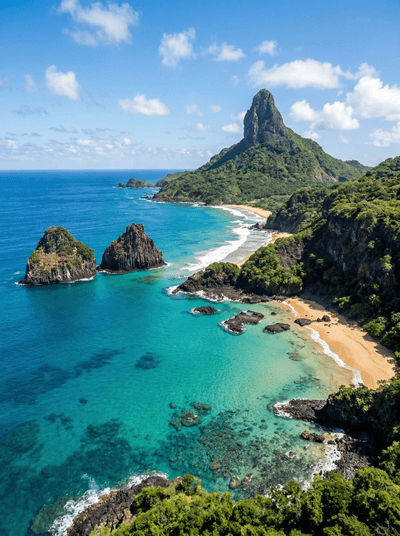
Fernando de Noronha
Brazil
Volcanic spires rising from water so clear the seafloor glows up at you from the clifftop.
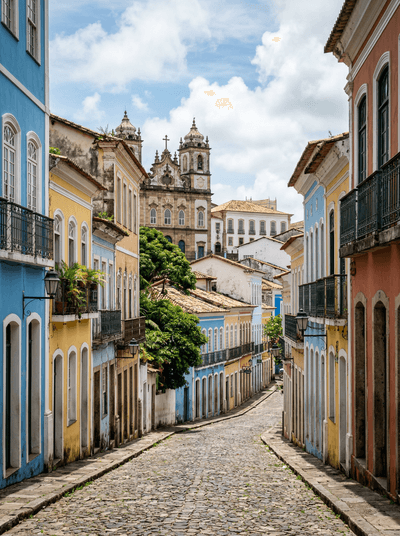
Salvador
Brazil
Drum rhythms ricocheting off pastel colonial walls where capoeira circles form before sundown.
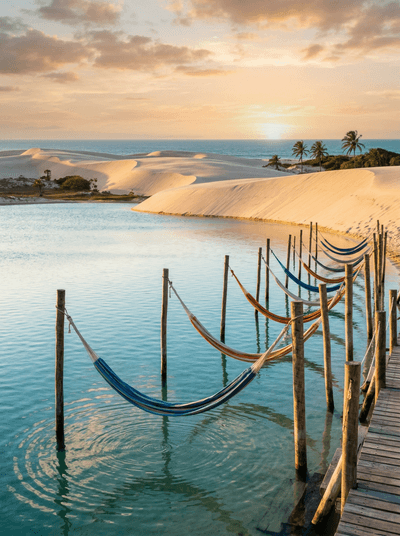
Jericoacoara
Brazil
Windswept dunes where the sun melts into the sea from a natural stone arch.
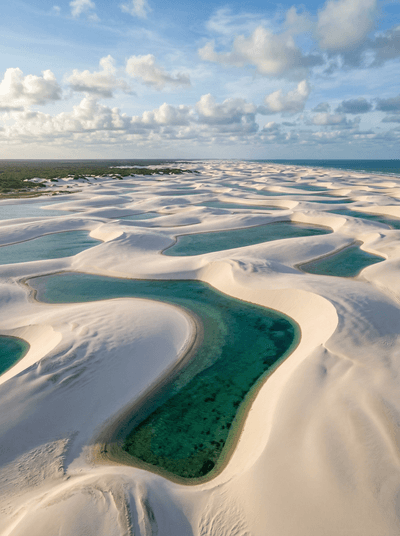
Lençóis Maranhenses
Brazil
Thousands of rain-filled lagoons between white dunes stretching to the horizon like another planet.